Listen, build relationships, share power: ANZSOG First Nations Conference hears how to transform how government works with First Nations and Māori
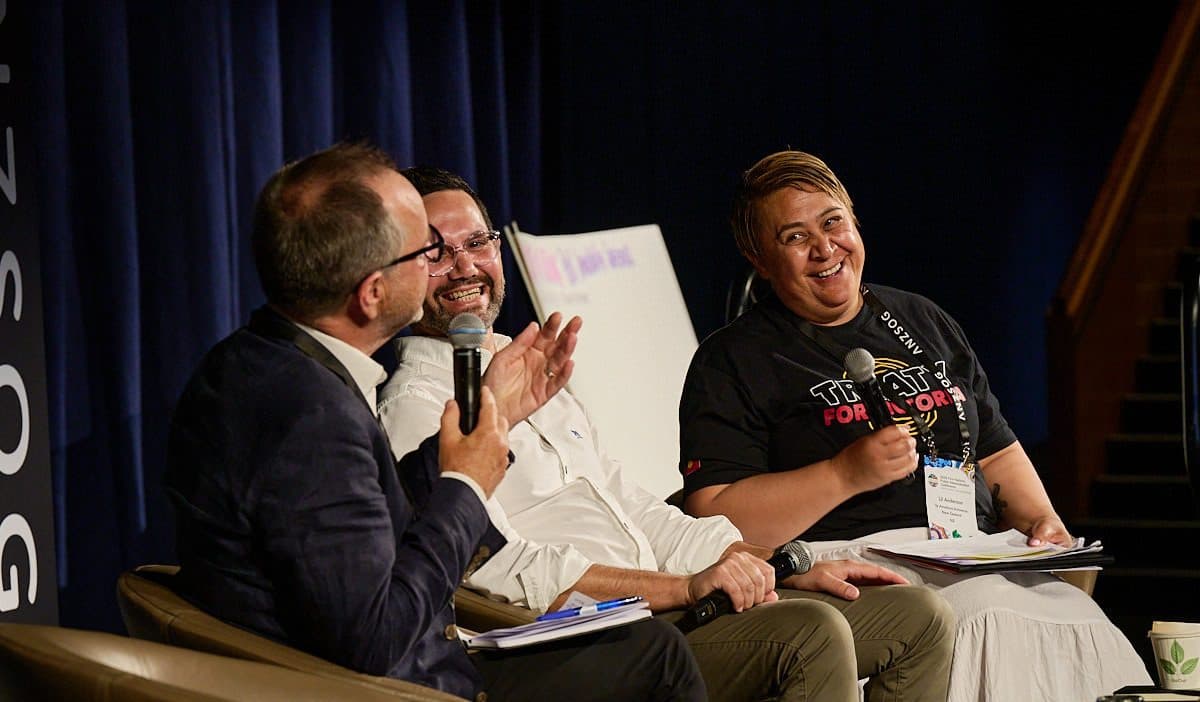
Governments must transform themselves and the way they work with First Nations and Māori by taking a long-term relational approach that uses the strengths of Indigenous culture, shares power, and recognises that communities know their own circumstances best.
These are some of the key insights shared at ANZSOG’s 2025 First Nations Public Administration Conference, along with the need for governments to combine structural and cultural reform, and the need for individual public servants at all levels to listen to First Nations and Māori and become agents of change.
The Leave a Legacy: Be a Transformer Conference held in Meanjin/Brisbane from 26-28 November, attracted over 450 in-person attendees and featured 23 speakers, 21 of whom were First Nations or Māori. Speakers and Conference host Lil Anderson, former CEO of Aotearoa New Zealand’s Te Arawhiti/Māori-Crown relations Office participated in panels, as well as less formal Yarning /Breakout Sessions that let speakers take questions from attendees.
The Conference focused on Priority Reform Three of the National Agreement on Closing the Gap – Transforming Government Organisations – with sessions exploring: ‘What does structural and system change look like?’, ‘How do we support First Nations and Māori-led development?’ ‘What do we need to do to change the way we work?’ and ‘How can governments effectively monitor transformation and be accountable?’
Keynote speaker Kirsti Luke, Chief Executive Tuhoe Te Uru Taumatua, spoke of the need for governments to get out of the way, and act as enablers to allow First Nations and Māori to set their own course for the future.
“When we make mistakes, we are learning. If it took a century to get into a place of brokenness, I want to enjoy the walk out,” she said.
Marc Sutherland, Gomeroi man and the first Indigenous Councillor elected to Tamworth Regional Council, said that if First Nations are not ‘included at the core of change, then we’ll end up with the same outcomes’.
“People talk about culture as a load to carry, but culture isn’t a load – the system that we are dealing with is the load,” he said.
Some of the key themes that emerged from three days of diverse and challenging discussions were:
- Structural reforms are vital but not enough; change must address government’s habits, routines, and mindsets
- Public sector agencies must shift from a transactional to a relational approach to First Nations and Māori
- Real reform involves redistributing power and allowing First Nations and Māori to define their own goals
- First Nations and Māori culture and knowledge is a source of strength and governments must recognise its potential for effective reform
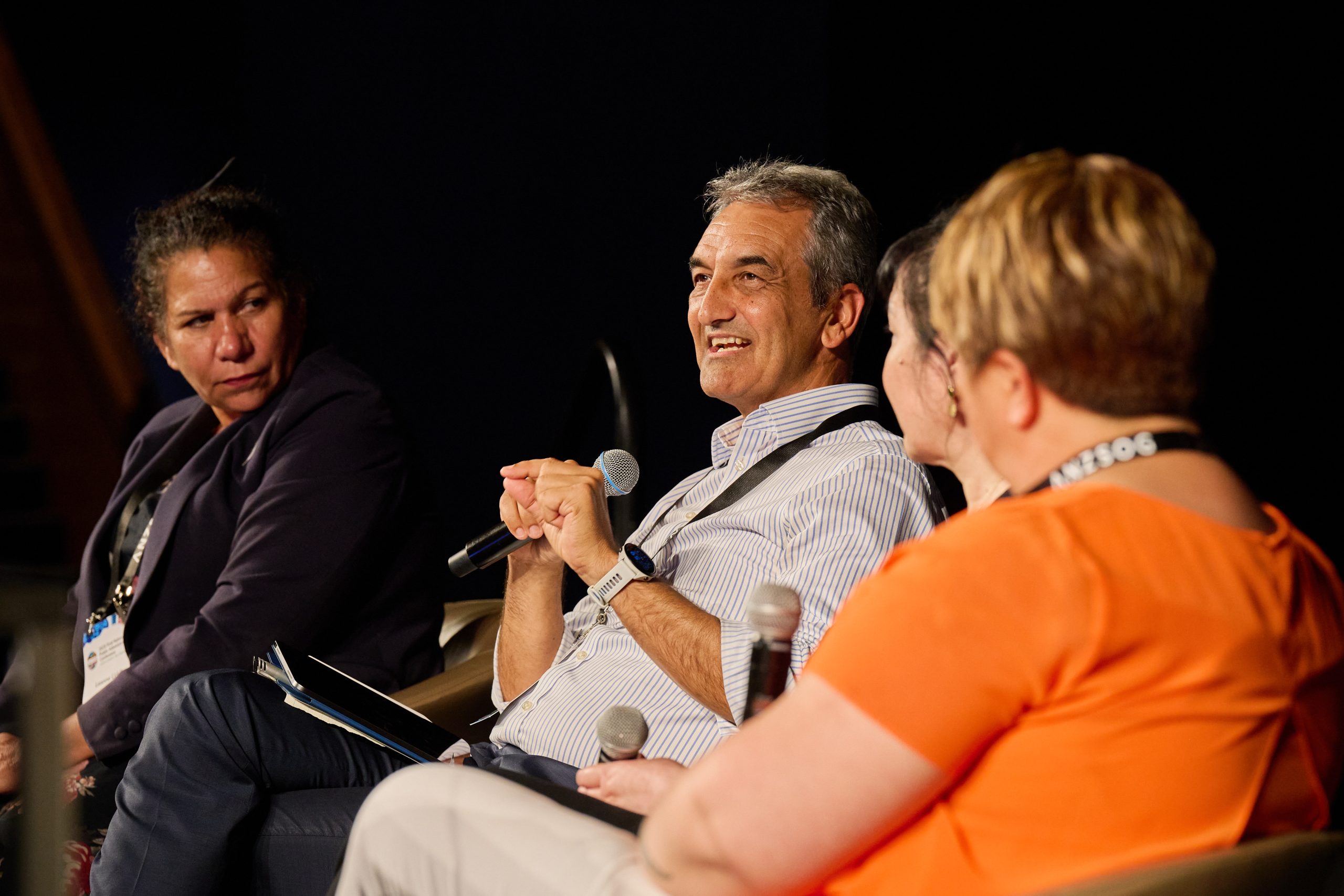
Conference attendees received a powerful Welcome to Meanjin from Tribal Experiences, honouring the Turrbal and Jaggera peoples and reminding delegates of the enduring connection Aboriginal people maintain with Country. A response from Aotearoa New Zealand Kaumatua (elder) and opening speaker Tamati Krugger set the tone of trans-Tasman partnership, highlighted by the nine speakers from Aotearoa New Zealand.
Australia’s Minister for Indigenous Affairs Senator Malarndirri McCarthy opened the conference with a video message calling for public services to move beyond consultation to genuine power-sharing with First Nations, drawing on their strength, knowledge, and resilience.
She said that public services need to remember that Aboriginal and Torres Strait Islander peoples, built systems that managed the land, and sustained the world’s oldest living culture.
“We need respect, accountability and shared decision-making. We must do more than consult, we need to share power. We don’t just need to listen, but need to act on what we have heard,” she said.
“For too long First Nations people have been marginalised and misunderstood. Transformation requires courage, consistency and a commitment to doing better.”
Joint keynote speaker Tāmati Kruger, Chair of Tuhoe Te Uru Taumatua began by sharing his ancestry and his descent from the Mountain and the Mist Maiden, and the significance of this. He said that “those origins are very, very real to me because they capture what my responsibilities are and what my purpose is and what I am accountable for.”
“Indigenous people want to learn, share and collaborate – but not by conceding and surrendering who they are – but by being themselves, and living and working with others who are different,” he said.
Kirsti Luke, Chief Executive of Tuhoe Te Uru Taumatua said that connectedness, connection and kinship are the superpower of an Indigenous culture.
“Today we are in recovery. We are broken and there is dysfunction. There is no need to hide that. But the trick is, is to grow our children in a way that there's no landmarks on them of that trauma,” she said.
The opening panel on Day One focused on what public servants, both Indigenous and non-Indigenous could do to remove cultural and structural impediments to transformation.
Geoff Richardson PSM, a former senior federal public servant who co-presents ANZSOG’s Working with First Nations: Delivering on the Priority Reforms program, said that transformation started with truth-telling and learning from shared history.
He asked attendees to ‘be uncomfortable here for next few days, because this stuff is hard - if it wasn’t we would have done it already’.
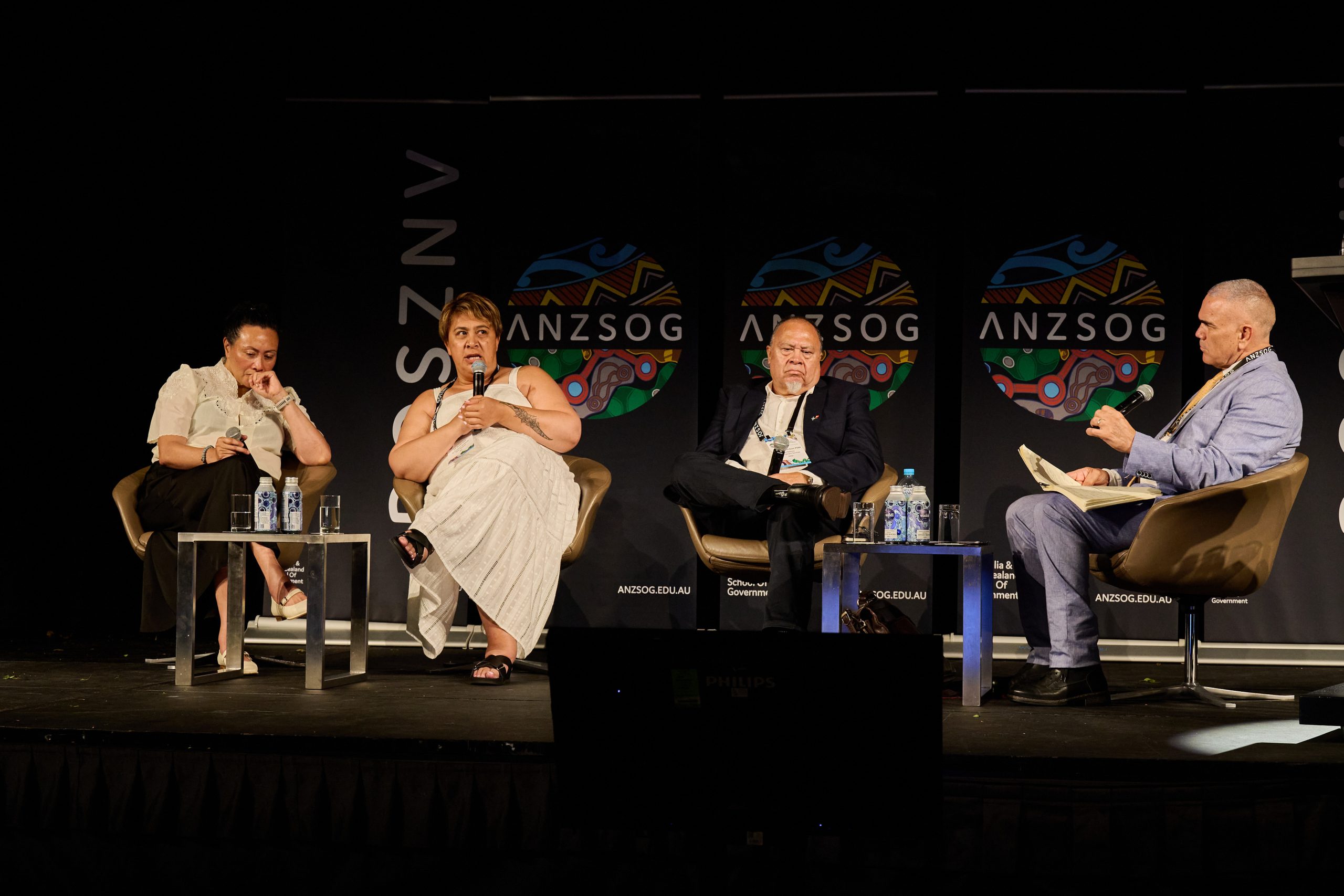
Day Two looked at practical examples of how governments can change the way they work, to support First Nations and Māori-led development, and the role of Indigenous public servants.
Marc Sutherland, Gomeroi man and the first Indigenous Councillor elected to Tamworth Regional Council outlined the Mara Ngali (Two Hands) partnership between Gomeroi people and the Tamworth Regional Council that works with local community-controlled organisations and incorporates Indigenous governance into the work of the Council, making them the first Australian local council to take a formal, collaborative approach to Closing the Gap
“Community engagement isn’t a task, it’s a responsibility for government, because the relationships you are building should outlast services and programs,” he said.
“The big question for governments is what are they doing to be more trustworthy, because there is a real fatigue among communities, and governments doing what they say they’re going to do is important.”
Natalie Siegel-Brown, former Commissioner at the Productivity Commission, who reviewed government progress towards the National Agreement on Closing the Gap’s Priority Reforms said that partnerships – a key element of the National Agreement – needed to be about sharing power, not symbolic gestures
“Public servants have to reflect on how their individual behaviour could change to share power, not rely on executive decisions.,” she said
“It has to be said that the biggest inhibitors to change are not just funding cycles or electoral cycles, but the transactional nature of bureaucracy”
Associate Professor Sacha McMeeking, Senior Research Fellow at Te Wānanga o Aotearoa noted that government policy focuses on observable elements, while real change requires addressing moral beliefs and habits through “a thousand micro-disruptions” at the individual level.
She highlighted that First Nations staff, as well as bringing links to communities, also bring imagination and multiple knowledge systems, which lead to innovation and better outcomes.
“During COVID, when systematic constraints evaporated, great progress occurred, but we’ve snapped back to old habits,” she said.
Victoria has recently signed Australia’s first Treaty with Aboriginal Peoples of the state, and Travis Lovett, Executive Director, Centre for Truth Telling and Dialogue at the University of Melbourne, spoke about the process and the opportunities it would create to address ongoing discrimination and disadvantage.
He said that partnerships required governments to listen to First Nations, who had often already mapped out plans in areas such as youth justice and environmental policy.
“The Victorian Treaty did not give us everything we wanted, but we have the opportunity to go back in the future, and we will keep at them,” he said.
The end of Day Two saw Wiradjuri man, filmmaker and former journalist Stan Grant, address the conference dinner, enthralling dinner guests with his life journey, how his love of reading and ‘sliding door’ opportunities shaped his career as a journalist, his support for Adam Goodes, and made him realise the importance of love.
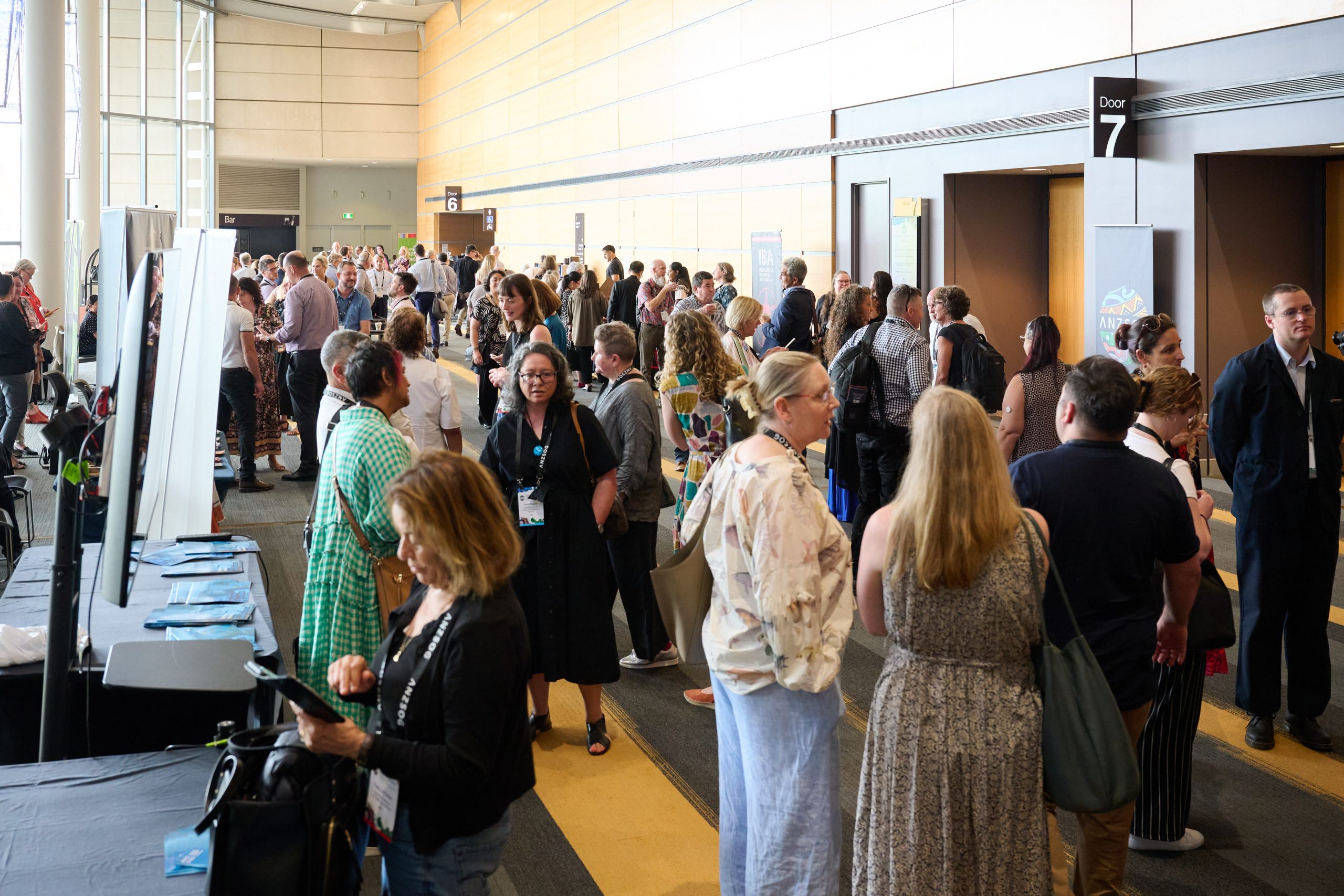
The conference’s final day focused on the issue of how the transformation we want can be monitored and measured in ways that meet First Nations and Māori expectations, and how improved accountability itself can further drive transformation
John Ryan outlined his efforts during seven years as Aotearoa New Zealand’s Auditor-General to address systemic blindness to accountability for outcomes for Māori.
He stressed the need for governments to try to measure whether they were building or destroying trust – which he described as the key product of the public service.
“Māori have sat at the bottom of every indicator for generations and the public service has a role to play in that – but did the red light go off, did anyone take it seriously, or is our system blind to that accountability?,” he said.
“Fragmentation of government services can become a way to avoid accountability for overall outcomes.”
Hera Douglas, Chief Advisor Aroturuki Tamariki/Independent Children's Monitor, emphasised a rights-based approach, starting and ending with conversations with children impacted by government policies and actions, and a focus on their lived experience over agency data. She criticised laws passed without considering harm to young people and the burden on communities to navigate systems they didn’t create.
“It’s important that people can see their stories reflected in the data and the reports - it means something.”
Natalie Lewis, Aboriginal and Torres Strait Islander Children’s Commissioner, criticised short-term, performative reforms and the failure to embed obligations in domestic law, which meant agencies could avoid accountability. She called for statutory independence and mandates focused on Aboriginal and Torres Strait Islander children.
“We get frameworks that are warm and fuzzy but are sufficiently vague and ambiguous that no one needs to be accountable,” she said.
Conference host Lil Anderson concluded the event by urging attendees to go out and make change
“We’ve had the inspiration of our speakers to encourage us, and we’ve had practical tools and examples to go away and use – and now it’s up to us. So, I want you to make sure you do something with the knowledge that you’ve gained. Big or small – just do it,” she said.
ANZSOG will publish more articles and materials relating to the 2025 First Nations Conference in the new year, including a full report and access to video footage of key sessions. More information and resources on First Nations policy, including an Explainer on what the National Agreement on Closing the Gap means for public servants, and material from previous conferences can be found on our website.